





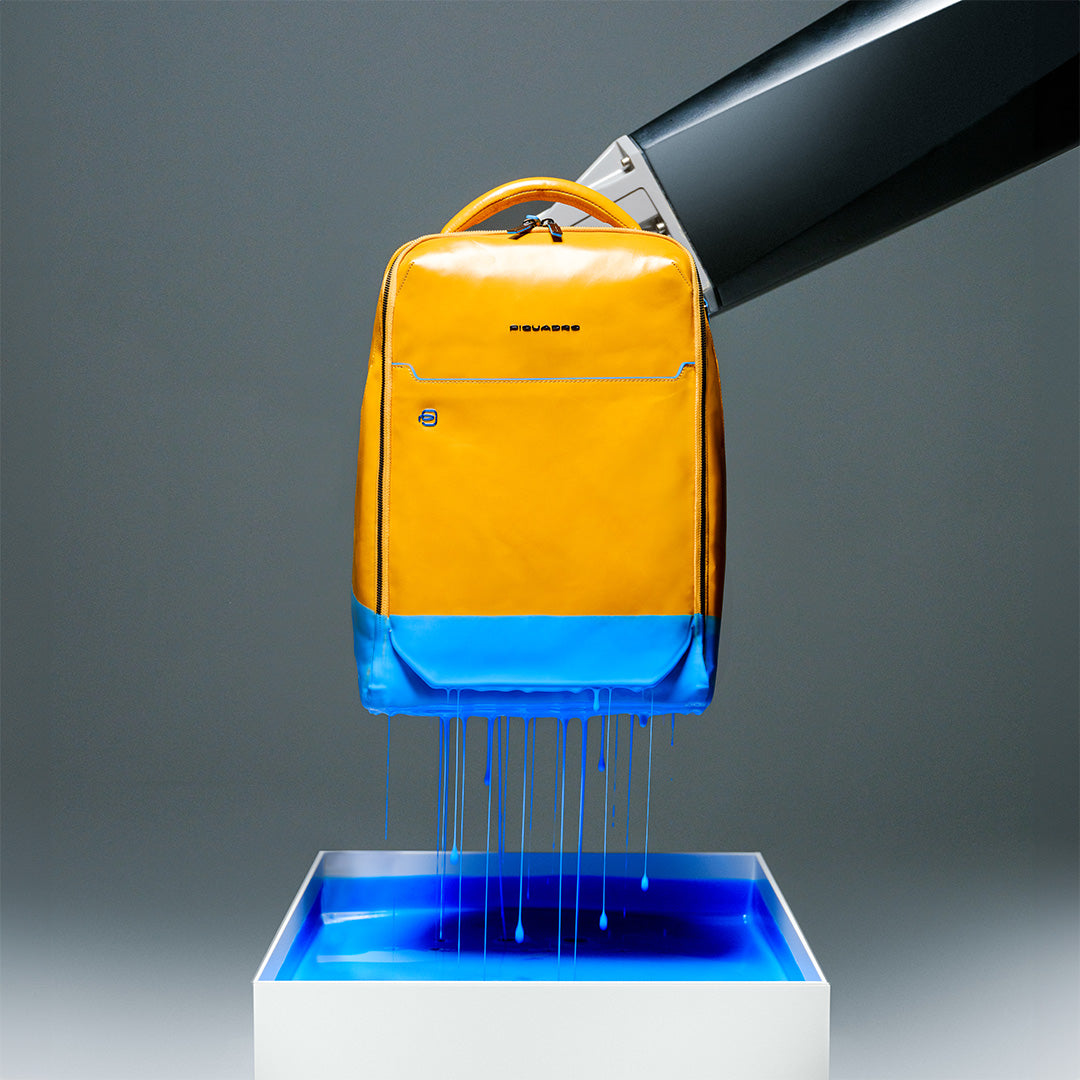




Hiking Backpack: What to Bring for a Well-Prepared Hike
Properly preparing your backpack is one of the key steps to tackling a hike with the right level of organization and peace of mind. Knowing what to pack in a hiking backpack doesn’t simply mean filling it with useful items but carefully selecting the equipment that is truly essential.
A well-thought-out setup allows you to move more lightly, manage unexpected situations more effectively, and enjoy the outdoor experience with greater ease. Whether it’s a short hike or a full day in nature, the keyword remains the same: balance.
Every item in your backpack should serve a clear purpose, be easy to access, and make efficient use of space.
Table of Contents
- How to organize a hiking backpack
- What to pack in a hiking backpack: essential items
- How to keep your backpack light and efficient
- FAQ: what to pack in a hiking backpack
How to Organize a Hiking Backpack
Before even deciding what to pack in a hiking backpack, it’s important to understand how to distribute its contents to avoid unnecessary strain while walking.
Heavier items should be placed close to your back, in the central part of the backpack. This keeps the weight more balanced and prevents excessive strain on your shoulders. Lighter items can be stored at the top or in the outer pockets.
Another key aspect is accessibility: items you use most often, such as water, snacks, or sunscreen, should be easy to reach without having to unpack everything.
An organized and rational approach makes the hike smoother and allows you to focus on the experience rather than the gear.

What to Pack in a Hiking Backpack: Essential Items
When preparing an outdoor backpack, some items are indispensable. Regardless of the length of the route, these elements form the foundation of any well-organized hike.
Water and Hydration System
Hydration is one of the most important aspects of any hike. Walking for several hours requires a steady intake of fluids, especially on warm days or more demanding trails.
In general, for a day hike, it’s recommended to carry between one and two liters of water, increasing the amount in case of high temperatures or lack of refill points along the route.
Many hikers prefer integrated hydration systems with a reservoir and tube, which allow for easy drinking while walking. Others opt for lightweight, durable bottles that are practical to refill and easy to carry.
Energy Snacks
During a hike, the body consumes energy continuously. For this reason, it’s helpful to carry some nutritious snacks to quickly restore energy during breaks.
The most suitable foods are those that combine carbohydrates and healthy fats, such as dried fruit, energy bars, or small savory snacks. Dark chocolate is also often appreciated by hikers, as it provides quick energy.
The ideal choice is lightweight, compact food that is easy to eat even during short stops.
First Aid Kit
A small first aid kit should always have a place in your hiking backpack. There’s no need for extensive medical equipment, just the essentials to handle minor issues.
Useful items to include:
- plasters
- disinfectant
- sterile gauze
- an elastic bandage
- pain relievers
- antiseptic wipes
Compact and well-organized, the kit should be easily accessible when needed.
Extra Clothing: What to Pack in Your Backpack
When hiking in the mountains or natural environments, weather conditions can change quickly. For this reason, it’s always advisable to carry an extra layer of clothing.
Waterproof jacket
A lightweight waterproof jacket is one of the most important pieces of hiking gear. Even when the weather seems stable, sudden rain or wind can make the experience less comfortable.
Modern technical jackets are designed to be compact and easily foldable, taking up very little space in your backpack.
Thermal layer
A light second layer, such as a fleece or technical sweatshirt, can make a big difference during breaks or in exposed, windy areas.
In the mountains, temperatures can drop quickly even on warm days. Having a warm layer allows you to adapt easily to changing conditions.
Useful accessories
Often overlooked but very useful items include small accessories like a hat, sunglasses, and a multifunctional neck warmer. These items take up little space but improve comfort by protecting you from sun, wind, or dust.
Tools for Navigation and Safety
In addition to basic gear, your hiking backpack can include tools that enhance safety along the route.
Map or GPS
Although many hikes are now planned using smartphones, it’s always good practice to carry a map or a dedicated GPS device. In some mountain areas, signals may be unavailable, and having an alternative reference can be essential.
Headlamp
A headlamp is a lightweight but extremely useful accessory. It can be helpful in case of a late return, low visibility in wooded areas, or simply for better orientation during a sunset break.
Modern LED headlamps are compact and offer long battery life, making them a practical addition.
Power bank
Smartphones have become essential tools for navigation, maps, and communication. Carrying a compact power bank allows you to recharge your phone during the hike and ensures you always have battery available.
Protection from Sun and Weather Conditions
During a hike, you are exposed to the elements for many hours. Some items in your backpack can make a big difference in terms of comfort and protection.
Sunscreen is essential, especially at higher altitudes where UV rays are stronger. A lip balm with sun protection can also help prevent dryness and irritation.
Another useful accessory is a waterproof backpack cover, which protects your backpack and its contents from rain and moisture. Lightweight and easy to pack, it can be very valuable in case of sudden weather changes.

How to Keep Your Backpack Light and Efficient
One of the most common mistakes when preparing a hiking backpack is bringing too many items “just in case.” Effective gear is based on carefully selecting what is truly useful.
Reducing weight means moving with greater agility, putting less strain on your back, and making the hike more enjoyable. Choosing compact, multifunctional, and well-organized accessories helps optimize space and keep your backpack efficient.
A good hike doesn’t necessarily require a lot of gear, what really matters is bringing the right items, in the right way.
FAQ: What to Pack in a Hiking Backpack
What should never be missing from a hiking backpack?
Essential items include water, energy bars, a waterproof jacket, a first aid kit, and navigation tools. A headlamp and sunscreen are also useful for ensuring a safe hike.
How much water should you carry during a hike?
The amount depends on the duration of the hike and weather conditions. For a day hike, it is generally recommended to carry between one and two liters of water, increasing the amount in warmer conditions.
How should weight be distributed in a hiking backpack?
Heavier items should be placed in the central part of the backpack, close to your back, while lighter items can be stored at the top or in outer pockets.
How much should a hiking backpack weigh?
For a day hike, the backpack should weigh approximately 10% to 15% of your body weight, ensuring comfort and freedom of movement.
Conclusion
Preparing your hiking backpack carefully means setting off with everything you need, without carrying more than necessary. Choosing the right items and organizing space effectively allows you to approach the trail with greater practicality and without unnecessary weight.
Whether it’s an easy path or a more demanding hike, having a well-organized backpack helps you manage every moment more effectively. When the backpack itself is designed to offer functionality and smart organization, like those by Piquadro, preparation becomes even easier, and all that’s left is to focus on the landscape and the experience.
Leave a comment
Blog posts

Lost luggage at the airport: what to do as soon as you land
Find out what to do if your luggage does not arrive at the airport, how to report it missing and which procedures to follow to get it back.

What to Pack for the Camino de Santiago
Learn what to pack for the Camino de Santiago, including essential gear, clothing, and practical packing tips.

What is MagSafe and how does Apple’s Technology Work
Discover what MagSafe is and how Apple’s technology enhances charging and accessories through a smart, practical magnetic system.

How to Fold Shirts in a Suitcase: 3 Effective Methods
Learn how to fold shirts in a suitcase without wrinkles: techniques, practical tips, and mistakes to avoid for traveling in style.

What Are the Parts of a Bag Called? Names, Functions and Details
Discover the parts of a bag: names, functions, and technical details to help you choose the perfect model, combining design, practicality, and innovation.

What to Pack in a Hiking Backpack for a Well-Prepared Hike
Discover what to pack in a hiking backpack for a well-organized trip: essential items and tips to prepare it efficiently.

What to Pack for 7 Days: a smart Travel Guide
How to pack the perfect suitcase for a 7-day trip: essential clothing, smart organization, technology, and style for those who travel with purpose.

What is a TSA Lock and why It’s Useful when you Travel
Learn what TSA lock is, how it works, and why it's useful in air travel: built-in security, smoother checks, and fewer unexpected events.

What to give an engineer: smart and professional accessories
The perfect gift for an engineer? Piquadro design accessories: smart backpacks, business briefcases and leather details for an advanced style.

Stains on the leather bag? Here's how to remove them without damaging it
Find out how to clean stained leather bags without damaging them. Practical advice and the right products to maintain Piquadro quality and design.

How to organize bags in your closet: our 7-point guide
How to organize your bags in the closet: the best ways to protect them, save space and elevate your wardrobe.

What to Give a Lawyer: Unique Ideas for Special Milestones
Gift ideas for lawyers by Piquadro: Italian design, quality and innovation to celebrate every milestone with class.
RFID Wallets: what they are and why they matter
Worried about digital fraud? Discover what RFID wallets are, how they work, and explore Piquadro models designed for both security and style.

RFID: what it is, how it works and why you should protect yourself
Discover what RFID technology is, how digital theft works, and why choosing anti-fraud accessories is a smart move.
How to Customize Your Suitcase and Recognize It During Travel
Discover how to customize your suitcase and recognize it quickly during your trip with unique accessories, labels, tags, and practical details.
Sign up for the newsletter to receive a 10% discount on your first order and promotional communications, special offers, and updates.
* Required fields
Having carefully read the Privacy Policy, by entering my email address and clicking the "Subscribe" button, I consent to Piquadro SPA and the other group companies processing my personal data for the marketing purposes related to the services offered and market research.
Customer Care
Accepted Payments

There are no comments for this article yet.